



Figma Fundamentals for Beginners
This beginner-friendly course is designed to introduce you to Figma, the leading UI/UX design tool. You'll learn how to navigate the Figma interface, use essential design tools, and create your first projects. By the end of the course, you'll be comfortable using Figma to design mobile apps, websites, and more. The course includes hands-on exercises and practical examples to reinforce your learning. No prior design experience is required!

React and frontend in 2026
The agentic era we live in opens up infinite possibilities to create and spark innovation. This is why simply building a website is no longer enough; it is now about crafting an immersive experience through a true digital representation.We have moved beyond just discussing scalability, performance, responsiveness, or SEO. Today’s web is also about conversion, identity, and building trust.In this course, we will master the finest software engineering artifacts, implement tailored architectural patterns, and design the winning User Experience (UX) required to thrive in this highly competitive landscape. Join this course now to evolve your skills and compete alongside the best in the industry.

Fundamentals of Software Architectures
This course introduces the fundamental concepts of software architecture and system design. You will learn how to structure applications, choose the right architectural patterns, and make good technical decisions for building scalable, secure, and maintainable software systems.We will cover key topics such as architectural styles (monolith, layered, microservices), design principles, system components, documentation, and real-world architecture decision-making. By the end of this course, you will be able to analyze, design, and explain the architecture of modern software applications.This course is ideal for students, junior developers, and developers who want to move toward system design and software architecture.
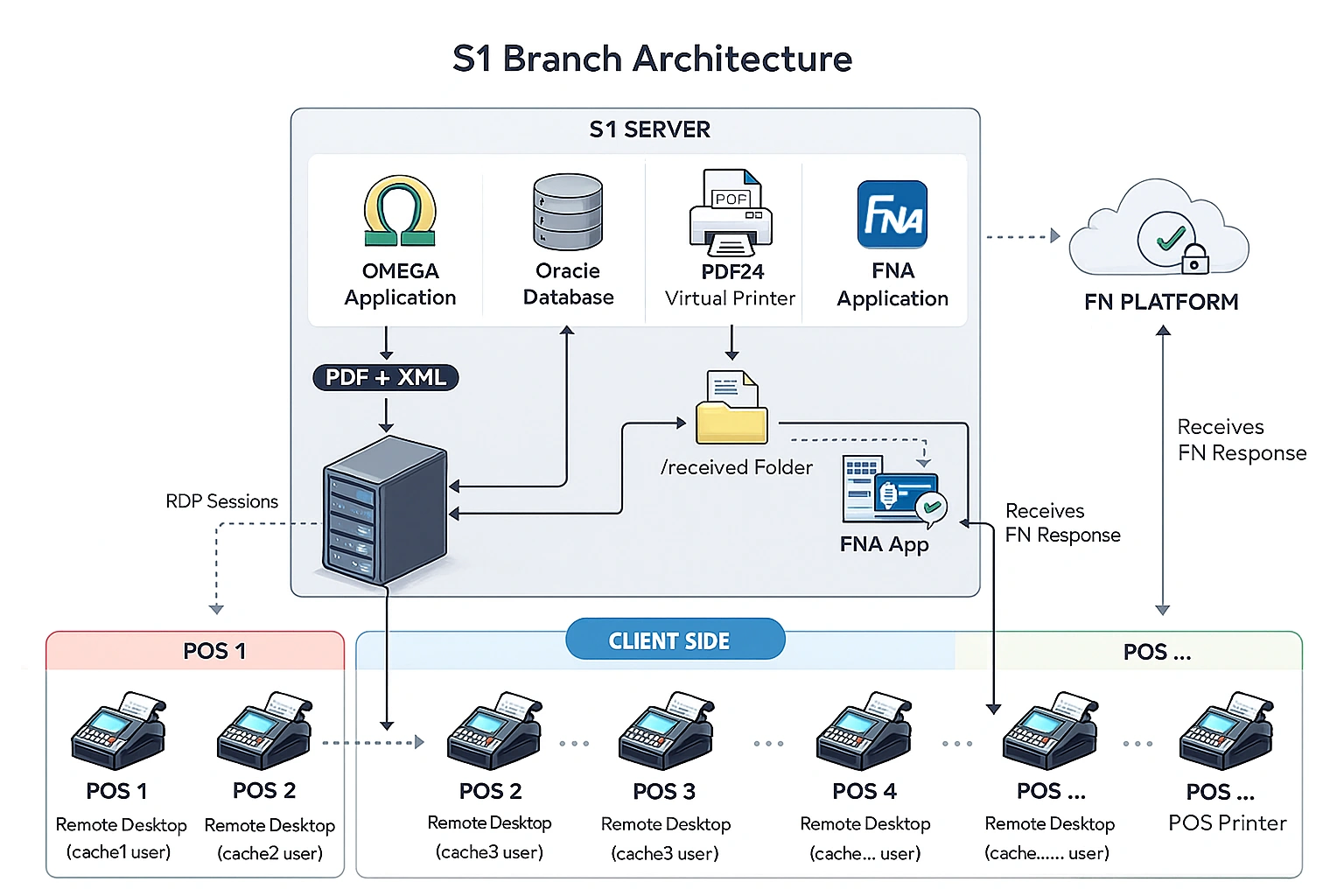

Fundamentals of Software Architecture
Fundamentals of Software Architecture: Design Scalable & Maintainable SystemsIn today’s world, building software is not just about writing code — it's about designing systems that are scalable, maintainable, and efficient.This course is designed to give you a strong foundation in software architecture, whether you are a junior developer, a self-taught programmer, or an experienced engineer looking to level up your system design skills.You will learn how to think like an architect and understand the key principles behind well-designed software systems.Throughout this course, we will cover:Core concepts of software architectureDifferent architectural patterns (Monolith, Microservices, Layered, etc.)How to design scalable and maintainable systemsBest practices used in real-world applicationsTrade-offs and decision-making in architecture